Have you ever wondered about the difference between Applied Kinesiology and Holistic Kinesiology? While they sound similar and both use gentle muscle testing, they actually look at your health through two very different lenses.
Applied Kinesiology (AK)
Think of Applied Kinesiology as a tool used in a medical setting. It is practiced by registered professionals like chiropractors and osteopaths. They use muscle testing alongside standard medical checks to see how your physical body is moving and functioning. It is fantastic for pinpointing structural issues, looking at posture, and figuring out physical adjustments or chiropractic care that might help you feel better.
Holistic Kinesiology for the Natural Therapist
Holistic Kinesiology is a standalone natural therapy that looks at you as a whole person. Instead of just focusing on the physical body, it dives into your emotional, mental, and energetic well-being. Practiced by dedicated natural therapists, it combines Western muscle monitoring with Eastern wisdom, like the Chinese meridian system. It is a wonderfully gentle way to clear stress, unblock emotional patterns, and bring your energy back into balance.
How the Muscle Testing Differs
- In Applied Kinesiology: The practitioner tests physical strength to check your muscles, nerves, and joints.
- In Holistic Kinesiology: The practitioner monitors how your nervous system responds to stress. They look at whether a muscle holds or softens when you think about a certain emotion, memory, or food.
What to Expect During a Holistic Session
- The Chat: You will discuss your health goals, physical symptoms, and emotional and other contributing factors associated with the issue.
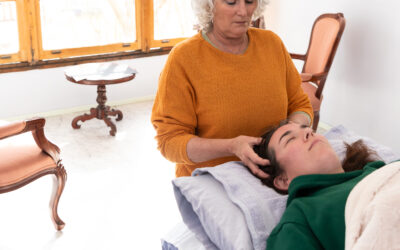
- The Setup: You lie comfortably, fully clothed, on a massage table.
- The Process: The practitioner gently places your arm or leg in specific positions.
- The Test: The practitioner will apply light pressure against the limb to check muscle responses.
- The Correction: Gentle techniques such as rubbing or holding acupressure points, or sound therapy may be used to clear blockages.
Simple Stress-Relief Tips to Try at Home
- Emotional Stress Release: Place your fingertips gently on your forehead bumps above your eyebrows. Hold for one minute while breathing deeply to calm your brain’s stress centre.
- The Cook’s Hook-Up: Cross your ankles, cross your wrists, interlock your fingers, and scoop them inward. Sit quietly with your eyes closed for two minutes to balance your energy.
- Thymus Tap: Gently tap the centre of your chest with your knuckles to boost vitality.